Latest news

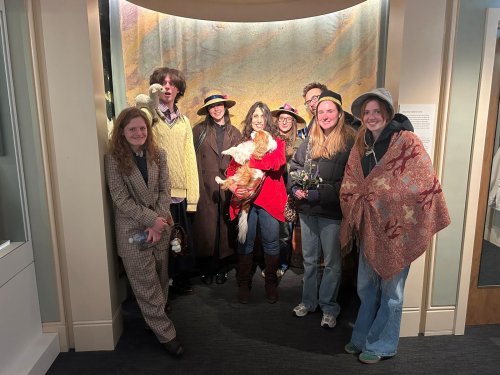
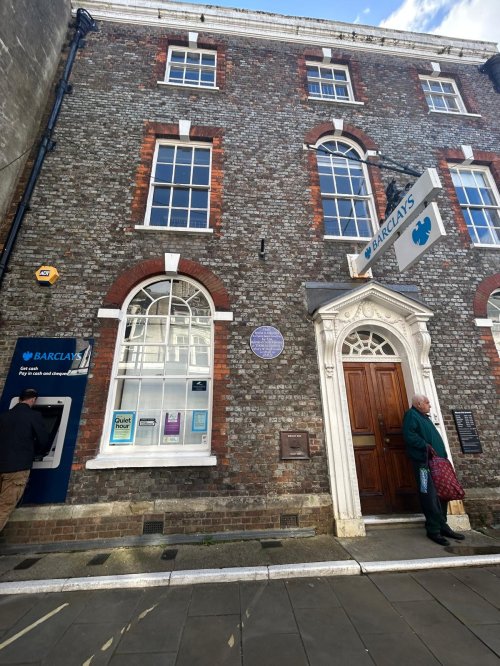
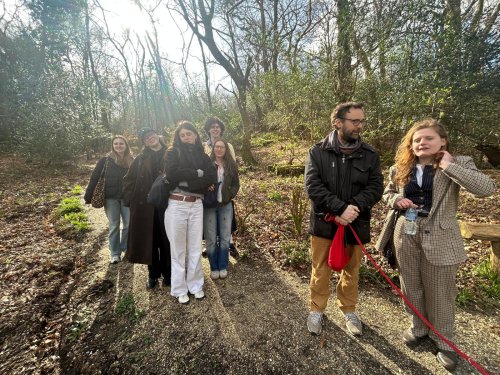
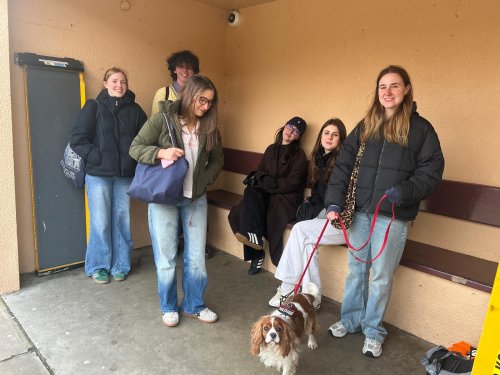
In Far From the Madding Crowd, Bathsheba promises: "I shall be up before you are awake; I shall be afield before you are up; and I shall have breakfasted before you are afield. In short, I shall astonish you all." While Angelique Richardson, her students, and Misty the dog may not have been challenging gender norms in the workplace, they too were afield before the world was up, and on their way to the corn exchange.
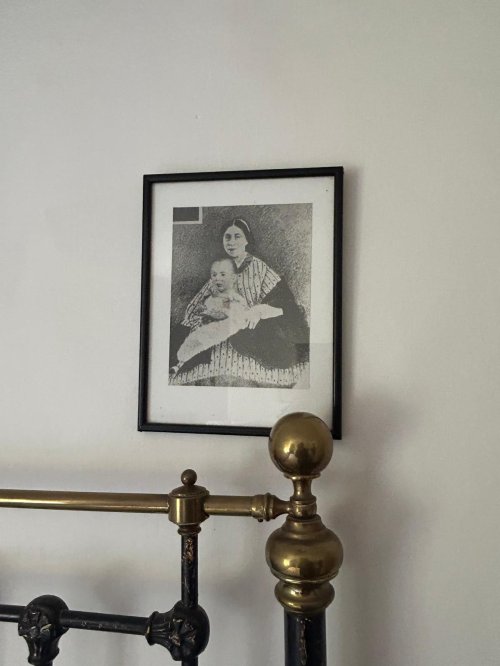
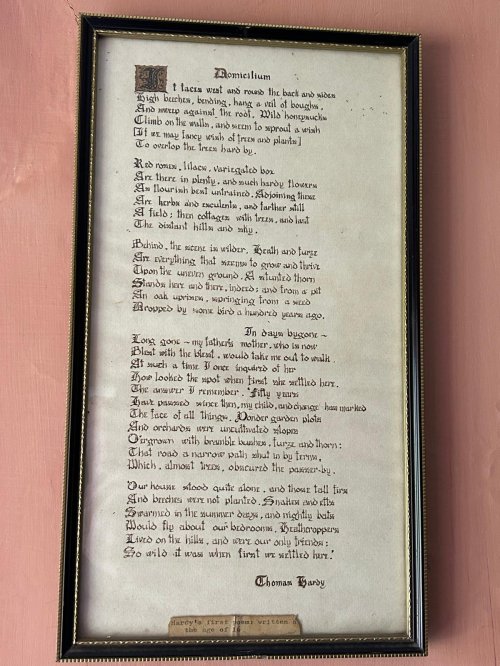
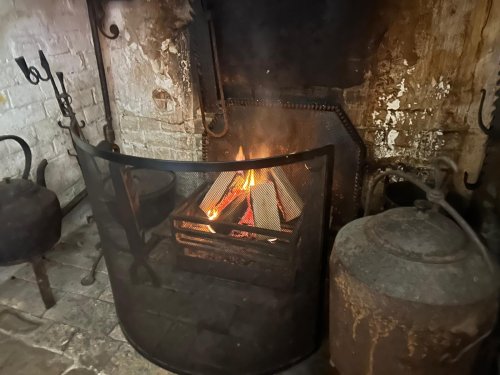
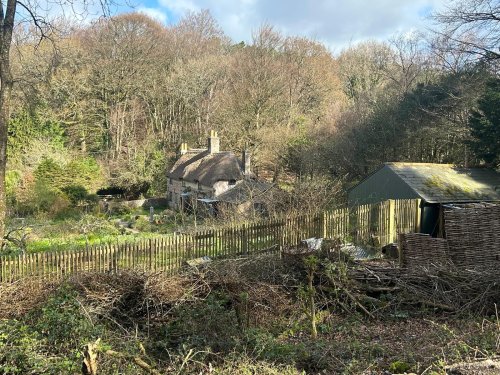
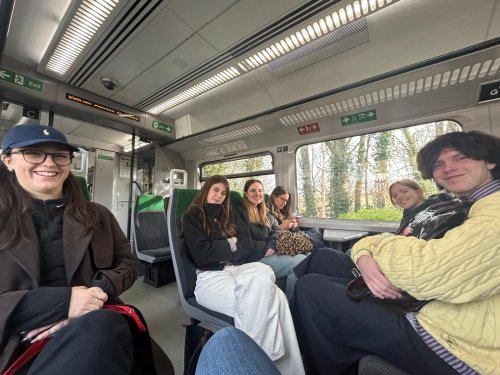
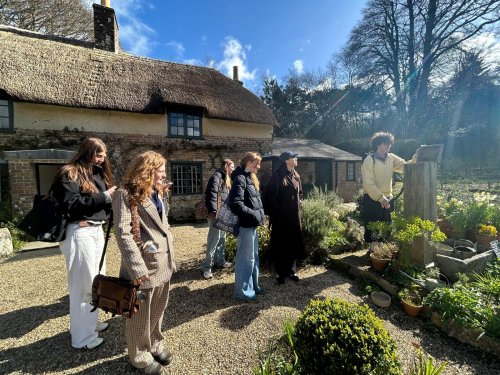
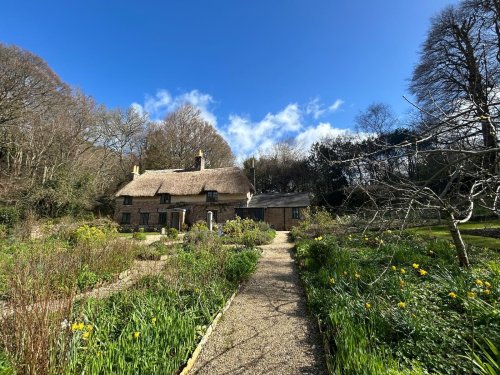
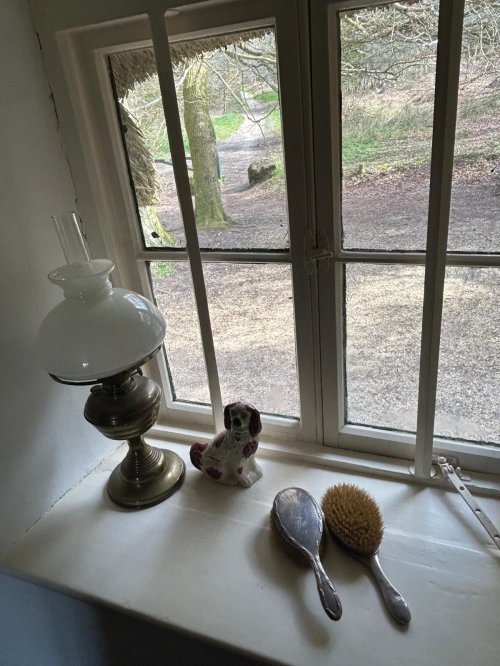
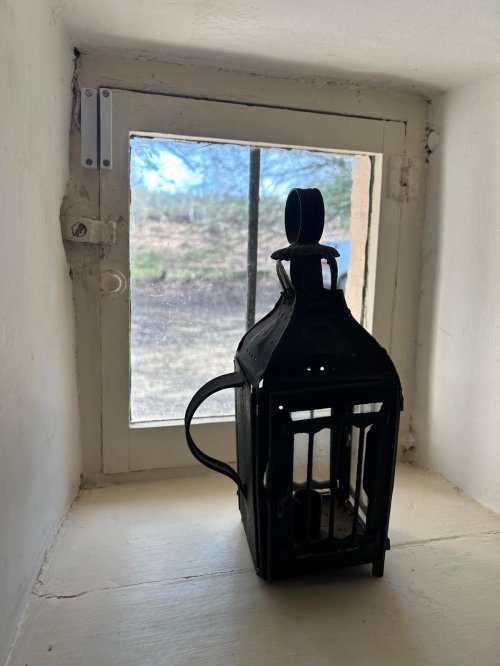
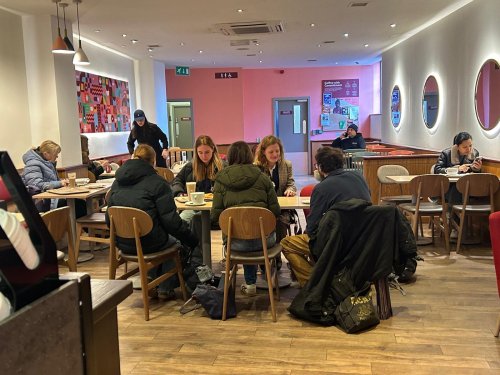
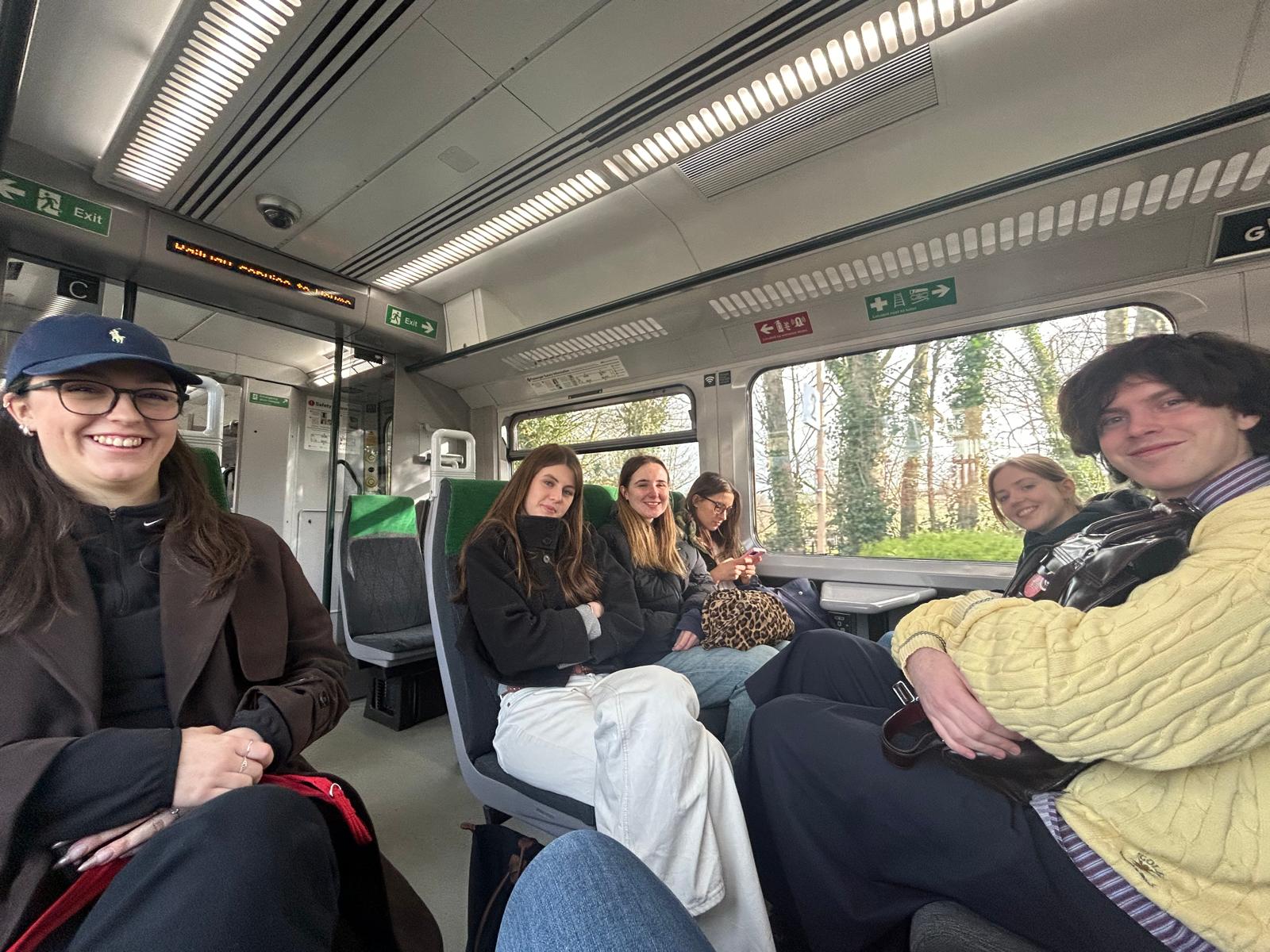 A cold March morning saw many of us awake at 4:00 AM to catch the early train to Dorchester West. In a moment, we stood at the foot of Hardy’s cottage. National Trust tour guides led us through the building and the history of the Hardys’ lives. The idyllic surroundings, though restored since Hardy penned his first three novels, provided a useful backdrop to the mental landscapes cultivated during term time. (Some students found great joy in the use of a working water pump.) Indeed, imagined, rural scenes truly came to life with the varied weather. Over the course of an hour, a cloudless sky broke into a hailstorm, and we soon fled from the cottage to a nearby café for brief respite.
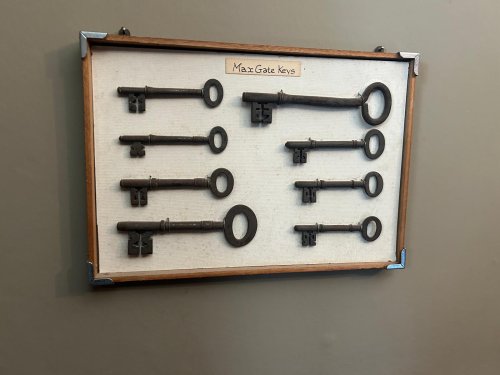
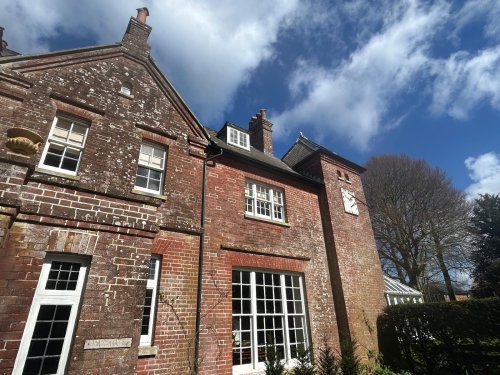
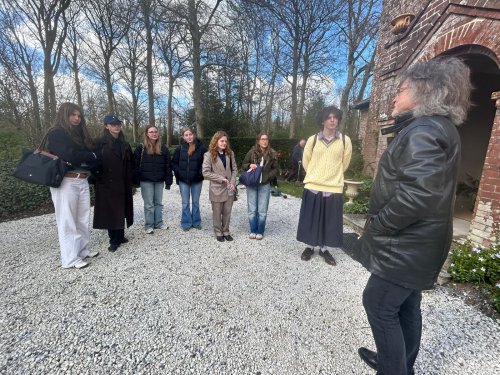
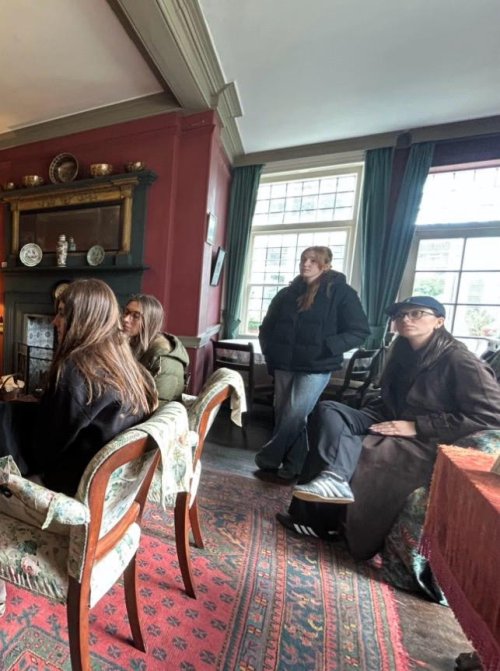
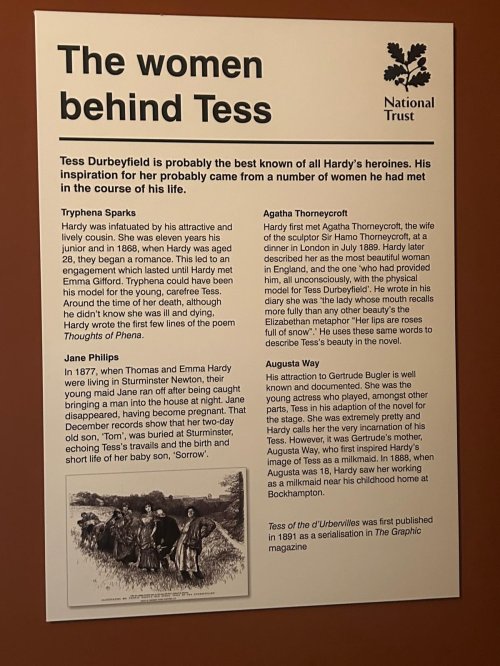
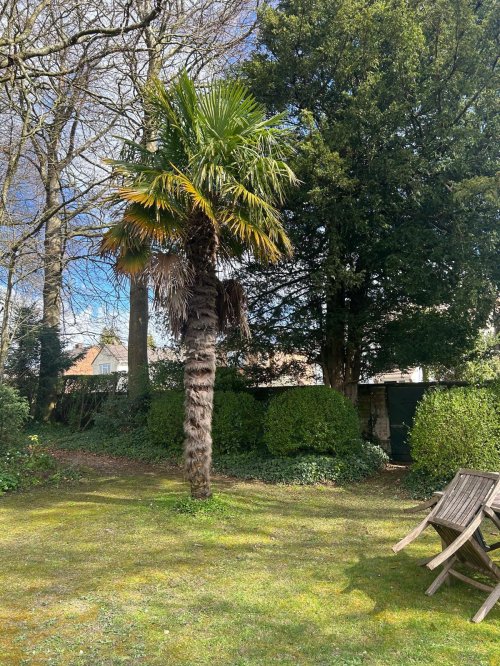
From there, we followed Hardy’s life to Max Gate, where a tour guide brought us around the garden and the lower floors of the house. We discovered that the Hardys hosted many notable visitors on the front lawn, including Edward, Prince of Wales, Virginia Woolf, and T. E. Lawrence (Lawrence of Arabia). Also in Hardy’s lawn were three human skeletons and four urns, excavated in the 1880s. His guests were varied.
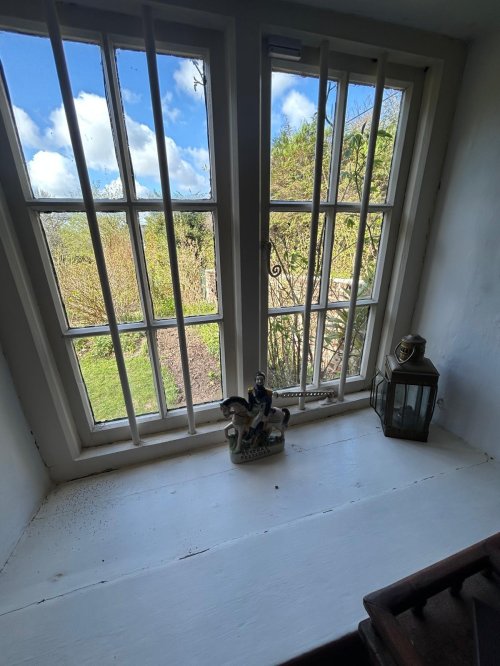
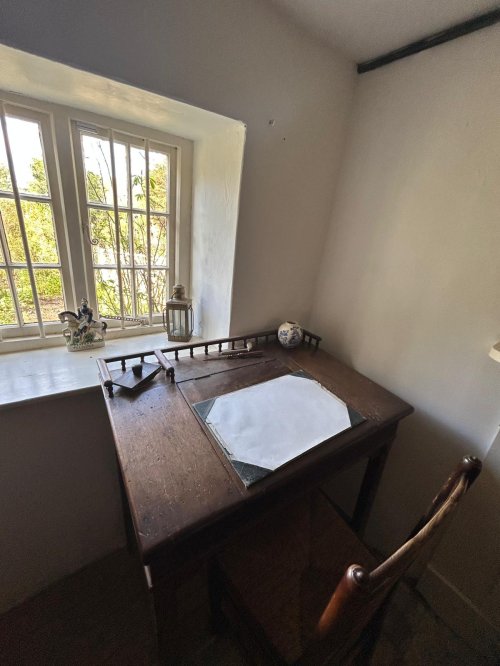
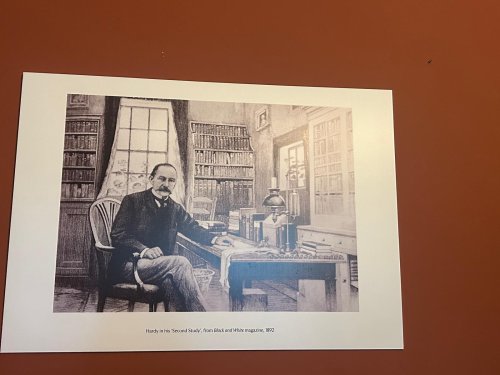
Max Gate illumined the architectural impulse which appears in much of Hardy’s work. Jude Fawley’s stonemasonry and Lord Mountclere’s staircases came to mind while ambling through labyrinthine, gothic hallways. Sitting where Hardy sat to write Tess of the D’Urbervilles was another wonderful privilege, allowing a view through the two unpanelled windowpanes that give unimpeded sights of the surrounding gardens. The only complaint might be on the rules preventing dogs from entering the house; Hardy’s dog, Wessex, sat up at the table, yet Misty the dog was verbally forbade.
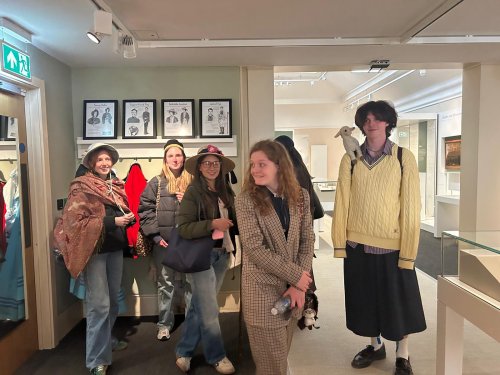
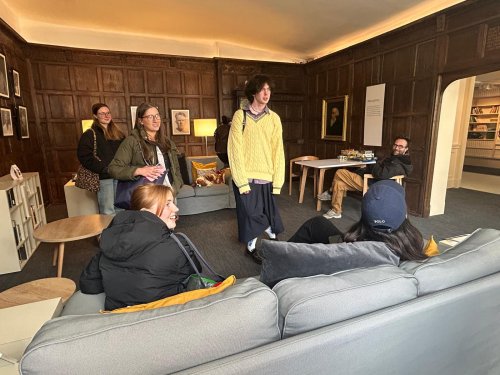
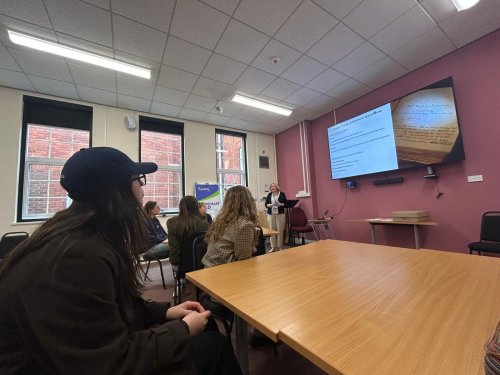
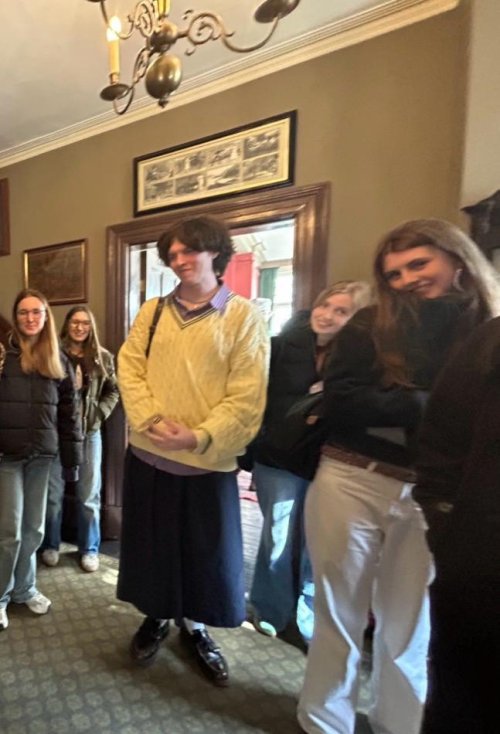
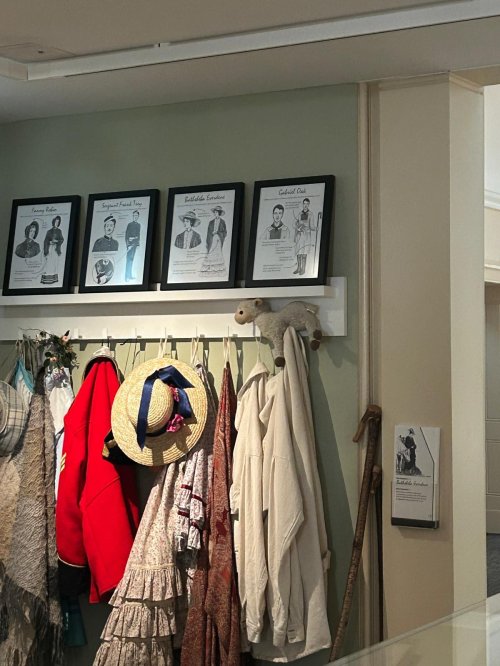
Following Max Gate, we took a taxi to the Dorset Museum & Art Gallery. Once there, Alban gave us a fascinating lecture on Hardy and led us to the exhibition space where we found the original manuscripts of Under the Greenwood Tree and The Mayor of Casterbridge. Though perhaps the best part of the trip was dressing up in the slightly limited selection of rural garb intended for children. Farmhands and milkmaids were suddenly afoot, and I found myself with a small, toy lamb resting on my shoulder. At no point while reading the novels had I felt closer to Hardy.
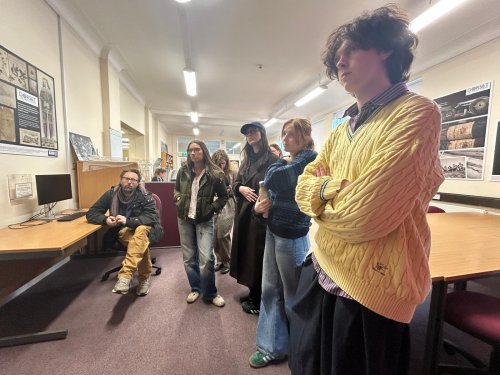
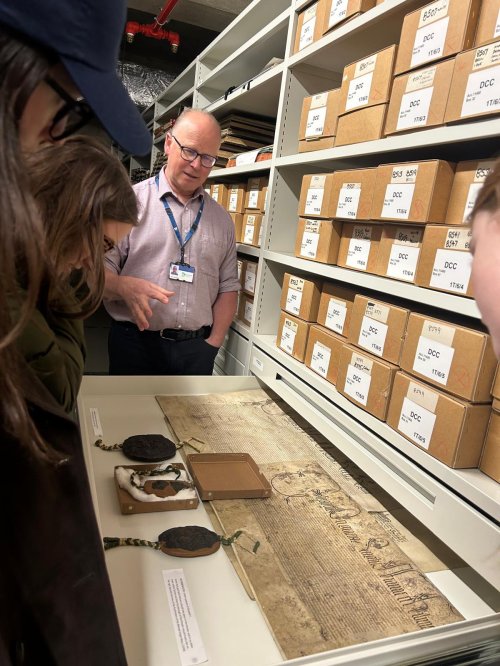
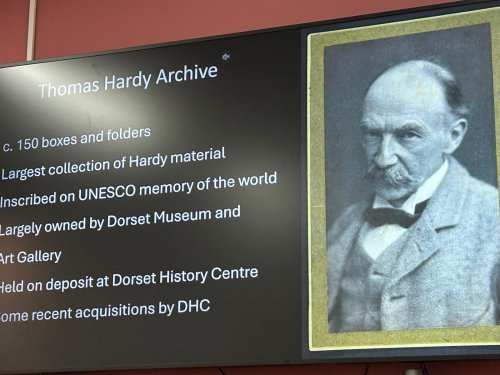
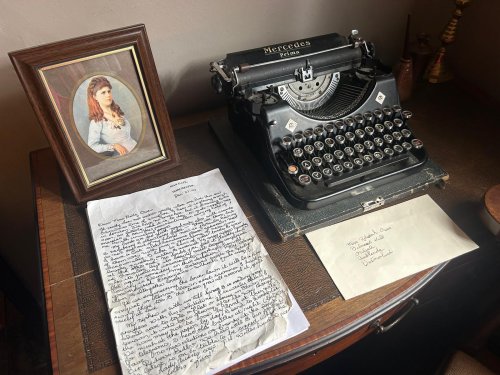
The day came to a close at the Dorset History Centre (Archives), where a few lovely people gave us a tour of the archives. We also handled some of Hardy’s letters and discussed how to use them in scholarly research. Though, by this time, the 4:00 AM start was telling on our mental faculties, and Bathsheba’s early start somehow seemed even more of a feat.
A train ride home, accompanied by a pack of cards from the Donkey Sanctuary, saw us back to Exeter. We discussed the trip and Hardy, and felt very grateful for the volunteer tour guides and for having chosen this module.


This website uses cookies
We use cookies to personalise content and ads, to provide social media features and to analyse our traffic. We also share information about your use of our site with our social media, advertising and analytics partners who may combine it with other information that you've provided to them or that they've collected from your use of their services. You consent to our cookies if you continue to use our website.
OK Accept Cookies
The Thomas Hardy Society is an educational charity supported solely by volunteers. The Society is based in Dorchester where the Council of Management meets six times a year. contact us.
To subscribe to our mailing list and receive news & updates please click here
Mark Chutter, Chairman and Academic Director
The Thomas Hardy Society
c/o Kingston Maurward College
Dorchester
Dorset DT2 8PY
© 2026 The Thomas Hardy Society all rights reserved
No part of this website may be copied or otherwise reproduced without the express permission of the copyright owner(s)